ZireSafari
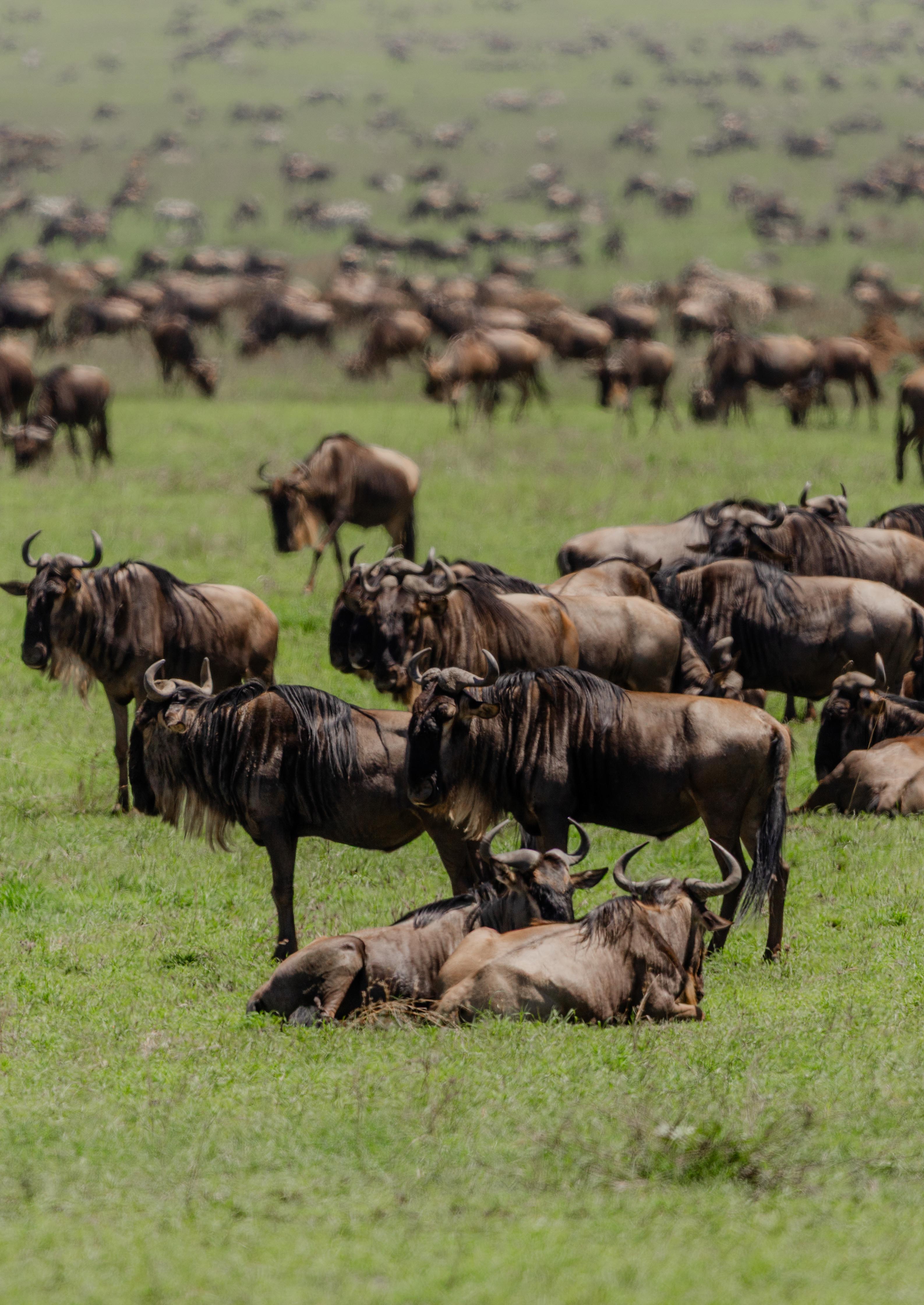
A large wildebeest herd gathered on green Serengeti plains

Following the herds

The Great Migration

Close to two million wildebeest, zebra and gazelle move through the Serengeti ecosystem each year. Here is how the year usually unfolds, and how we plan around it.

Where every journey becomes a story

Bookable journeys

Migration-focused safari packages.

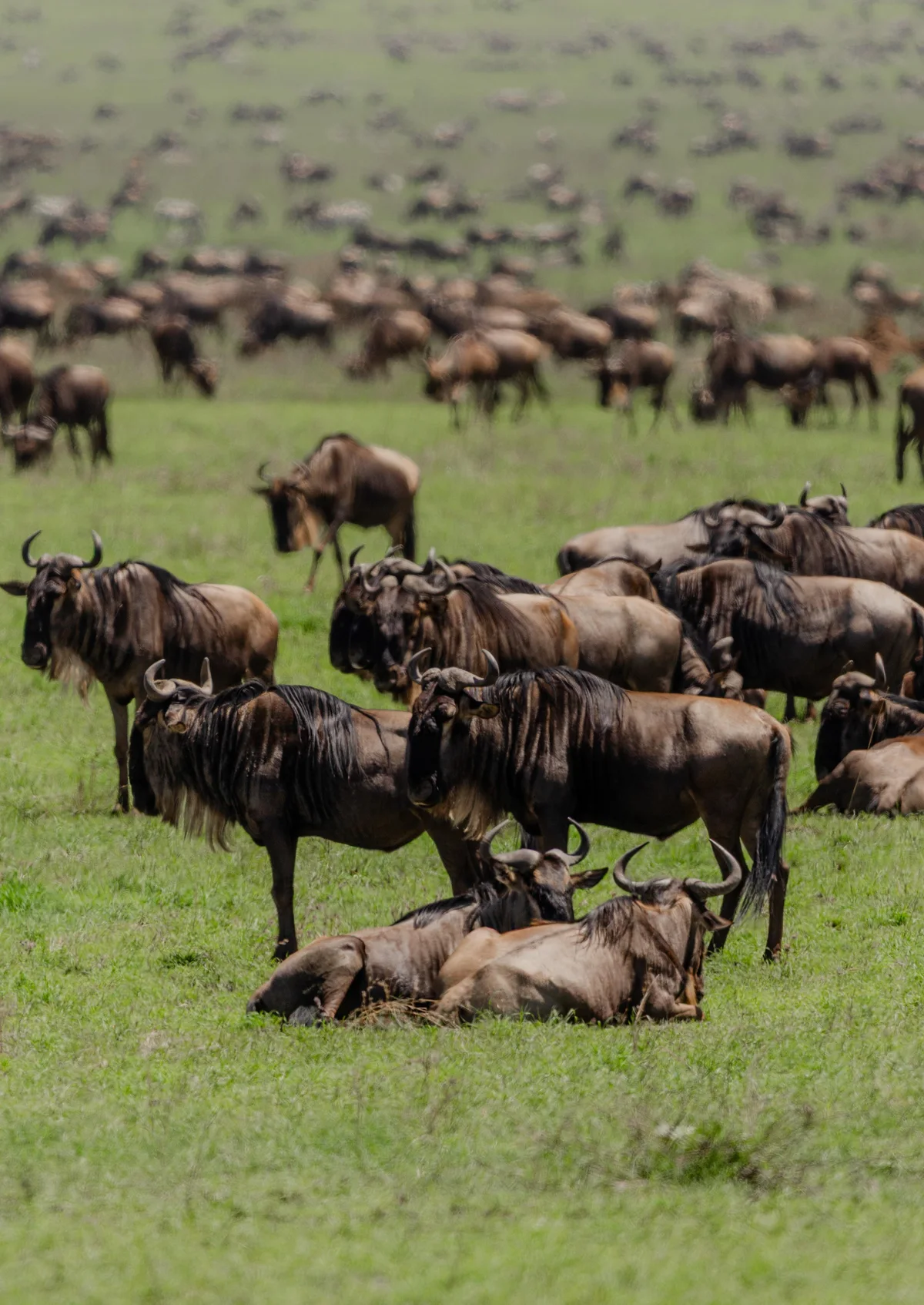
Wildebeest herd with young animals resting on green grassland 10 daysFull itinerary

Great Migration Safari

Arusha · Ngorongoro · Serengeti (seasonal camps)

Camps chosen by month to sit close to where the herds are expected, with honest caveats about movement.

  • Seasonal camp positioning
  • Long, unhurried Serengeti days
  • Flexible full-day drives
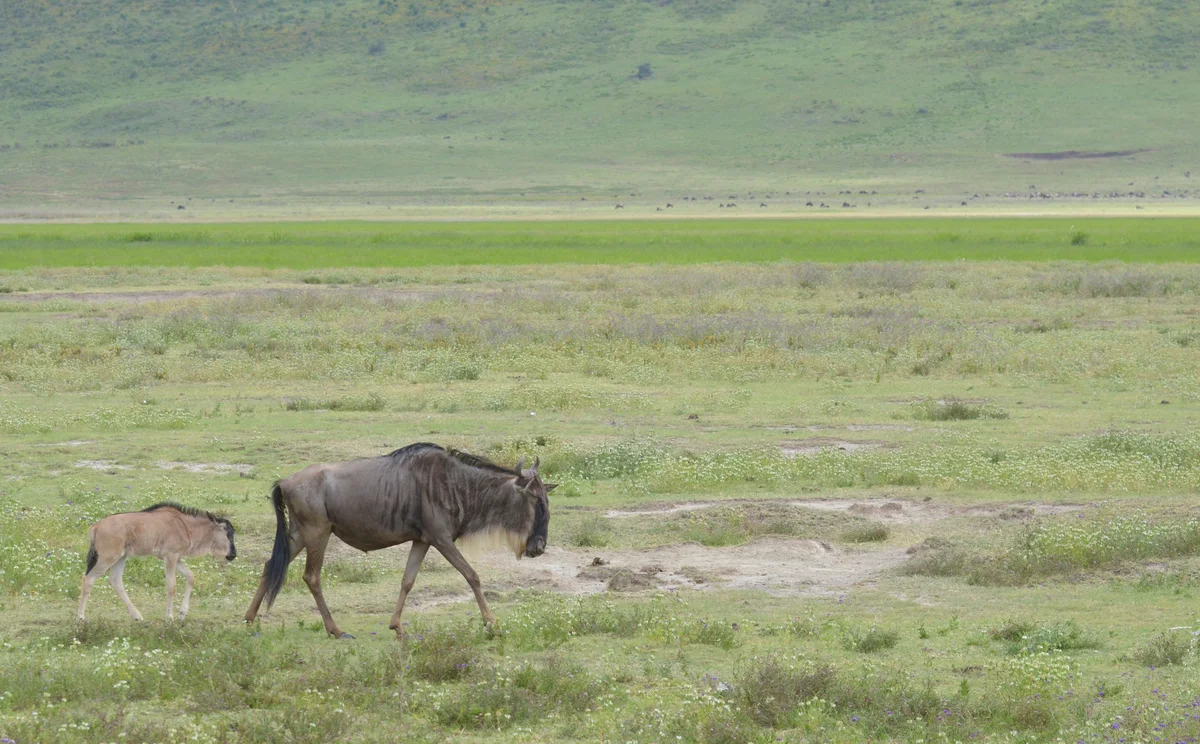
Wildebeest mother and calf walking across green grassland 7 daysFull itinerary

Calving Season Serengeti

Arusha · Ndutu & Southern Serengeti · Ngorongoro

Short-grass plains in the green season, when many herds concentrate in the south.

  • Southern plains camps
  • Green-season light
  • Crater day on the way out
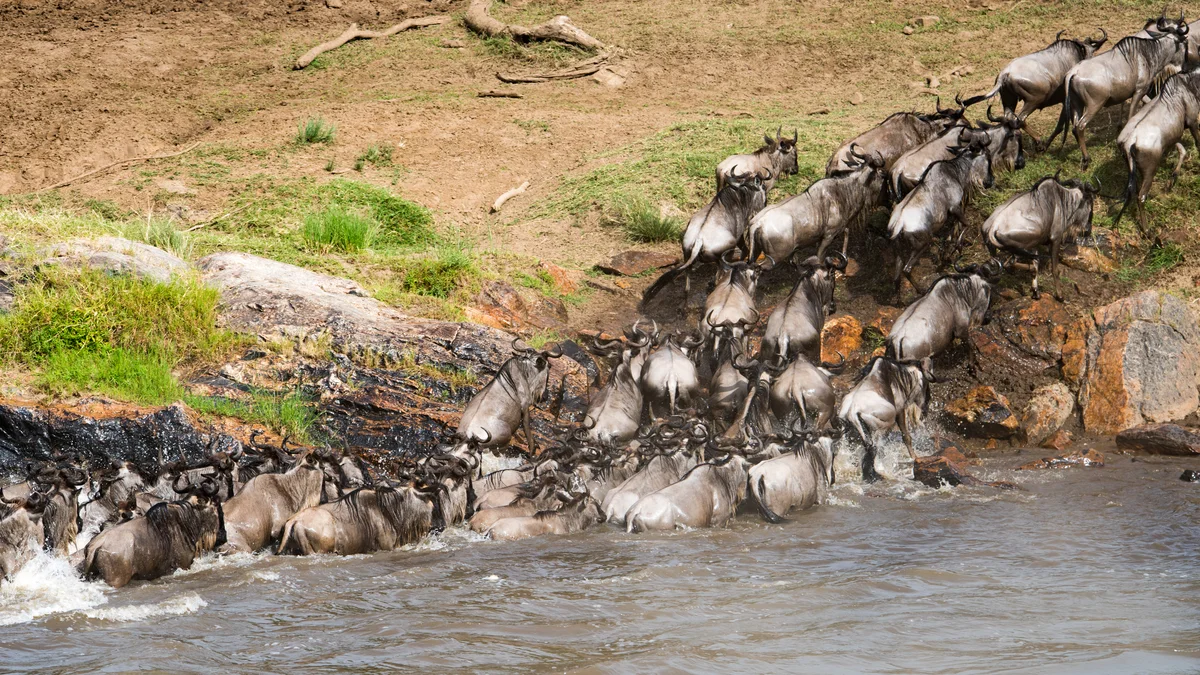
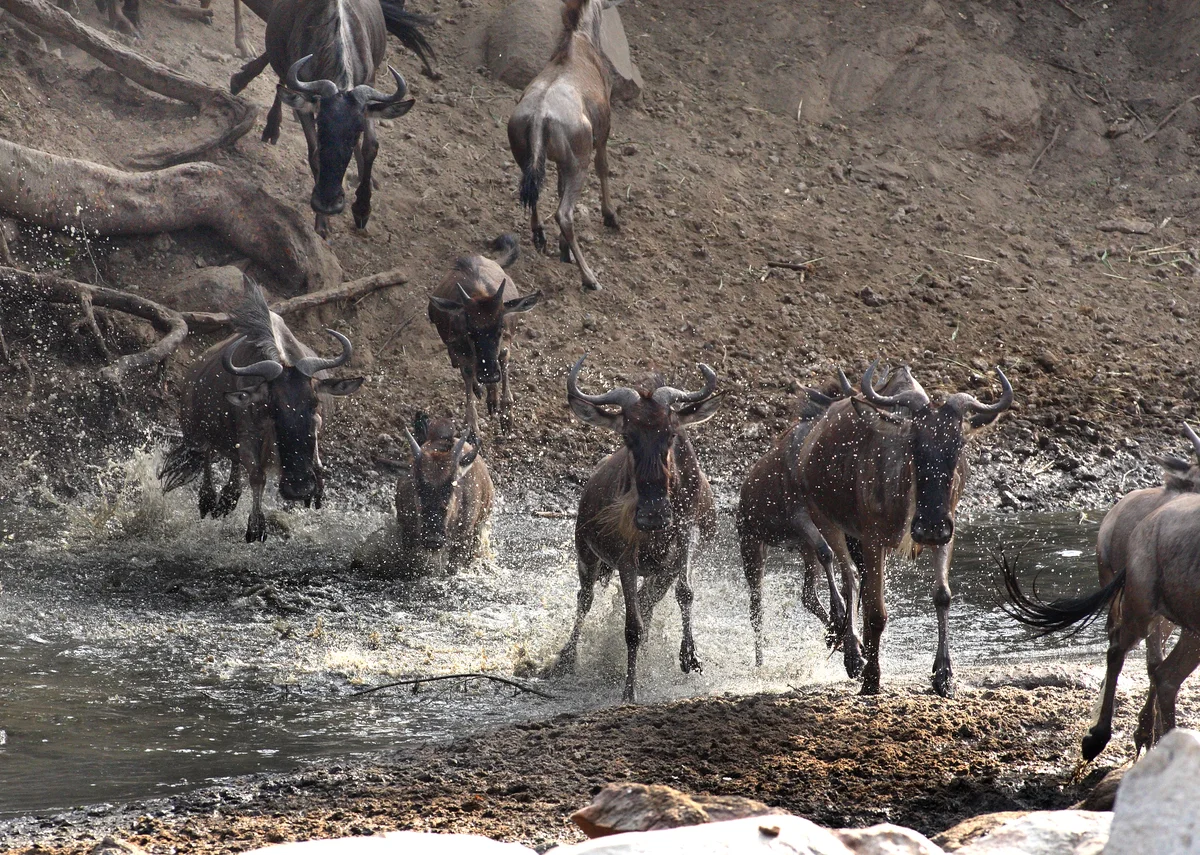
Wildebeest descending a river bank and crossing through the water 8 daysFull itinerary

Northern Serengeti River Season

Arusha · Central Serengeti · Northern Serengeti (Kogatende)

Fly-in safari to the far north during the months crossings are most commonly seen.

  • Light-aircraft access
  • Mara River areas
  • Central Serengeti predators
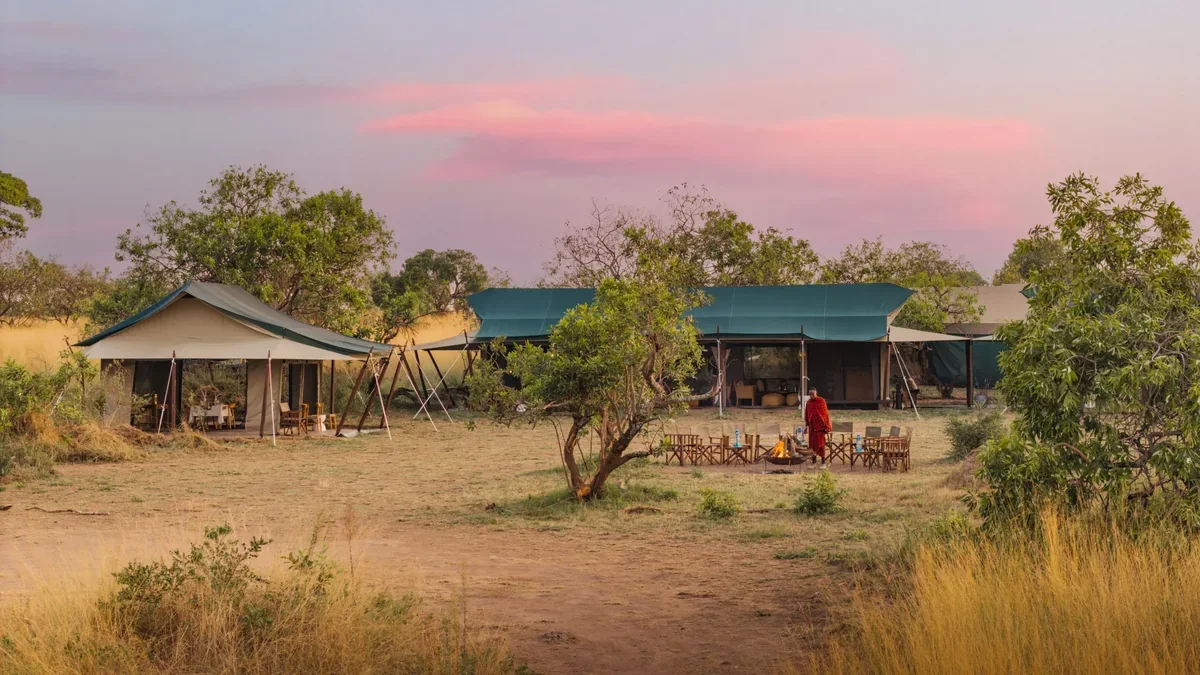
Canvas safari tents on open grassland beneath a pink evening sky 6 daysFull itinerary

Migration Season Camping

Arusha · Ndutu or Central Serengeti · Ngorongoro

Camping positioned for the season you travel, with long days following recent herd movement.

  • Seasonal campsite positioning
  • Full-day Serengeti drives
  • Honest expectations about movement
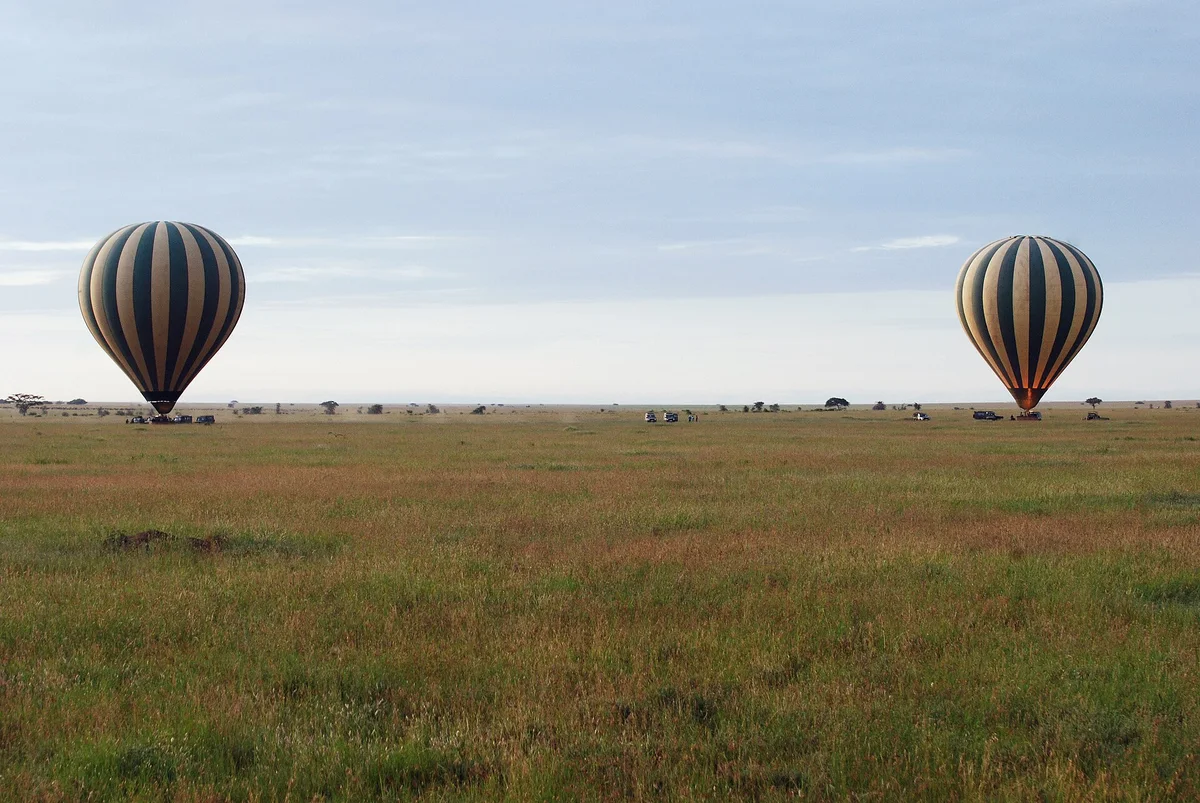
Two hot-air balloons low over open grassland 8 daysFull itinerary

Balloon & Migration Season

Arusha · Ngorongoro · Serengeti (seasonal)

Seasonal Serengeti camps with a balloon morning chosen to match the launch site closest to the herds.

  • Seasonal camp positioning
  • Sunrise flight
  • Long field days
Wildebeest herd grazing on green plains near Ndutu 6 daysFull itinerary

6-Day Ndutu Migration Journey

Arusha · Ndutu · Central Serengeti · Ngorongoro

A season-sensitive route built around the southern Serengeti and Ndutu plains before continuing north through the ecosystem.

  • Tour type: Private tour
  • Style: Comfort Style
  • Places to visit: Ndutu, Serengeti National Park, and Ngorongoro Crater
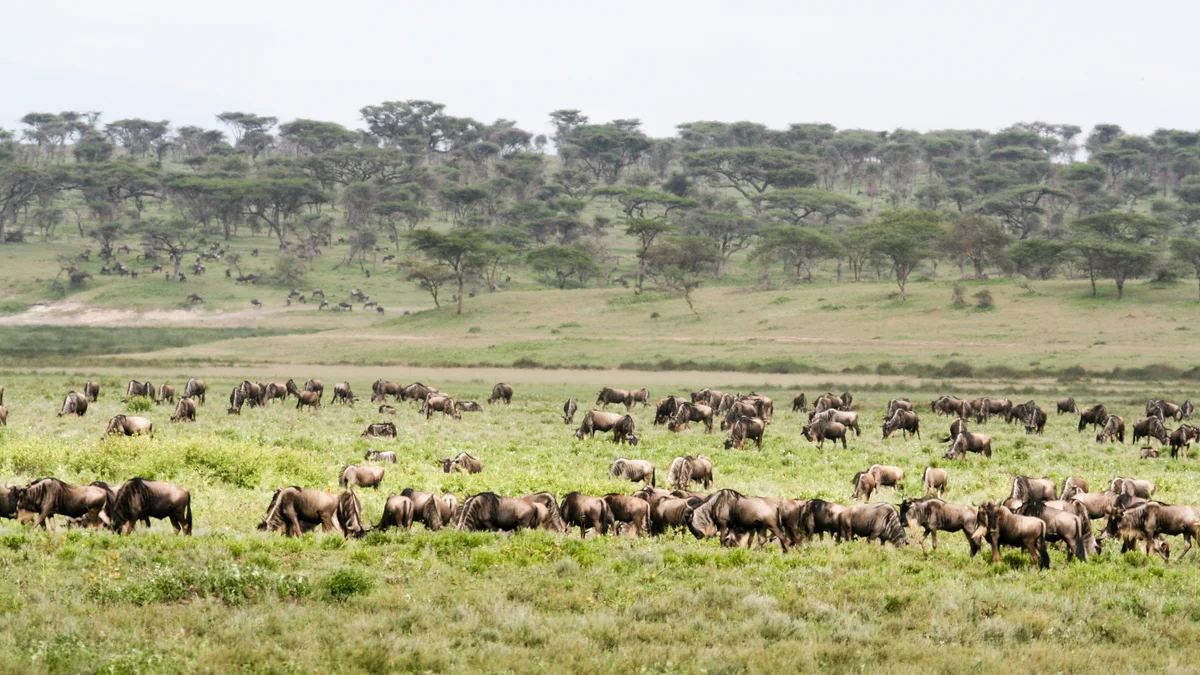
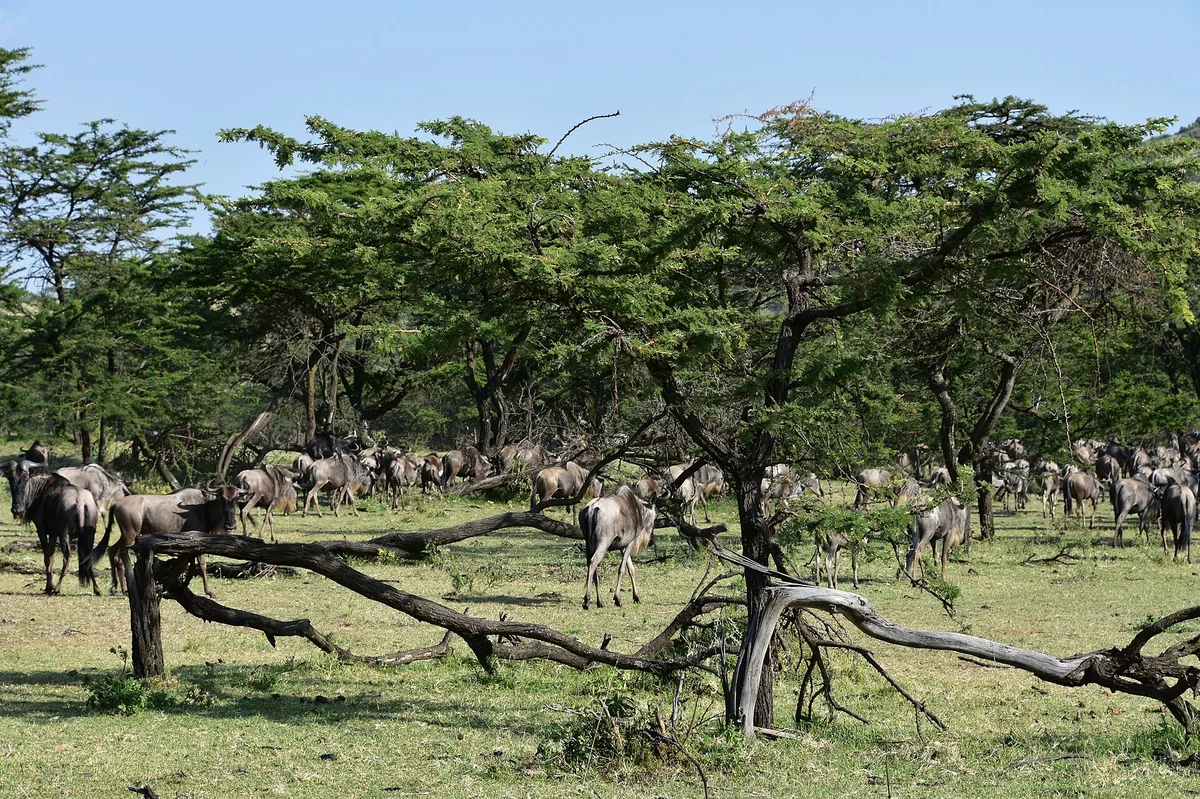
Wildebeest herd grazing beneath scattered acacia trees 6 daysFull itinerary

6-Day Ultimate Migration Safari

Arusha · Lake Manyara · Central Serengeti · Ngorongoro

A northern circuit with a full central Serengeti day and migration-aware planning.

  • Tour type: Private tour
  • Style: Comfort style
  • Destinations visited: Lake Manyara, Serengeti and Ngorongoro
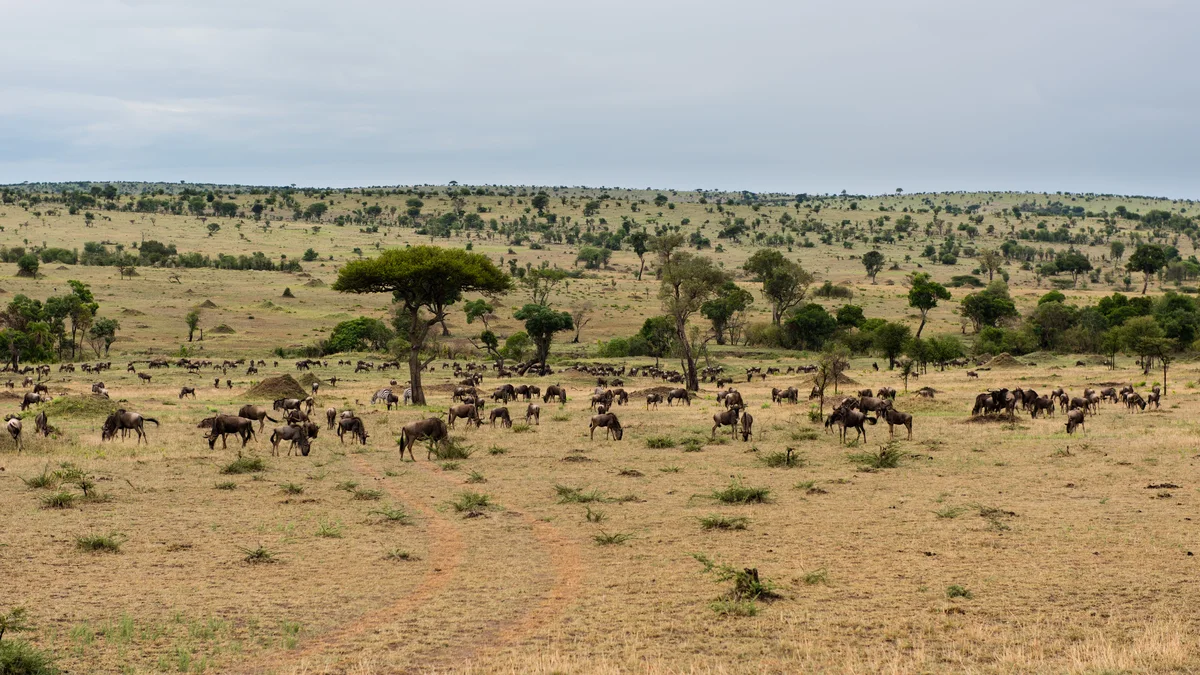
Wildebeest herd spread across northern Serengeti grassland 7 daysFull itinerary

7-Day Northern Migration Safari

Arusha · Northern Serengeti · Central Serengeti · Ngorongoro · Tarangire

A fly-in route for the northern Serengeti, followed by a gradual overland journey south.

  • Tour type: Private tour
  • Nature of the tour: Fly- in Tour
  • Duration: 7 days
Wildebeest stepping through a shallow river beneath a steep earth bank 6 daysFull itinerary

6-Day Western Serengeti Migration Journey

Arusha · Western Serengeti · Central Serengeti · Ngorongoro

A fly-in exploration of the western corridor and central Serengeti, positioned around seasonal movement.

  • Tour type: Private Tour
  • Nature of the tour: Fly-in Tour
  • Duration: 6 days
See all safari packages

What the migration actually is

A continuous circuit, not a single event.

The herds are always moving somewhere. That means there is no wrong month to see the migration, only different chapters of it, and the right plan is the one built around the weeks you can travel.

Rainfall drives the whole system. The animals follow fresh grazing, which means the timings shift from year to year and the useful question is not "when do they cross?" but "where are they likely to be while I am here, and how many nights can I spend there?"

We plan migration journeys with room to move: several nights in one region rather than one night in each, a private vehicle so your guide can respond to what is actually happening, and honest expectations about what the herds may or may not do on a given morning.

The year in four chapters

Where the herds usually are.

Roughly January to March

Calving season

The herds gather on the short-grass plains of the southern Serengeti and Ndutu, where huge numbers of calves are born within a few weeks. Predator activity is concentrated and the landscape is green and open.

Southern Serengeti and Ndutu

Roughly April to June

Moving north and west

As the plains dry, the columns begin drifting north and west through the central Serengeti toward the Grumeti and the Western Corridor. Rain in April and May can make the movement less predictable.

Central Serengeti and the Western Corridor

Roughly July to October

Northern Serengeti and the Mara River

The herds work north toward the Mara River. River crossings can happen in this window but never on a schedule, so we plan several nights in the north rather than promising a crossing on a given day.

Northern Serengeti, Kogatende and Lamai

Roughly November to December

Returning south

With the short rains, the herds turn south again across the eastern and central plains toward the calving grounds. Landscapes soften and the circuit is generally quieter than mid-year.

Central and eastern Serengeti

Month by month

A planning reference for the whole year.

Conditions vary year to year. Treat this as guidance for shaping a route, not a forecast.

MonthWhat it usually looks likeWhere we often focus
JanuaryGreen plains, calving season often builds in the southSouthern Serengeti and Ndutu, Ngorongoro, Tarangire
FebruaryCalving focus can be strong, with predator activity and dramatic skiesSouthern Serengeti, Ndutu, Ngorongoro
MarchLate green season. Excellent atmosphere, but rains can increaseSerengeti, Ngorongoro, selected northern routes
AprilHeavier rains in many areas. Best for flexible travellersCarefully chosen lodges, fewer crowds
MayGreen-to-dry transition and value in some regionsSerengeti, western movement when conditions align
JuneDrying landscapes, stronger visibility, migration may move westWestern Serengeti, Tarangire beginning to strengthen
JulyPeak dry-season demand and northern migration possibilitiesNorthern Serengeti, Tarangire, Ruaha, Nyerere
AugustPopular dry-season safari month with excellent visibilityNorthern Serengeti, Ngorongoro, Ruaha, Nyerere
SeptemberStrong dry-season conditions and northern Serengeti focusNorthern Serengeti, Tarangire, Ruaha, Nyerere
OctoberLate dry season, heat rises, wildlife remains concentratedTarangire, Serengeti, Ruaha, Nyerere
NovemberShort rains may begin. Good value and softer landscapesNorthern circuit with flexible planning
DecemberFestive demand rises. Green begins returning in many areasSerengeti, Ngorongoro, Zanzibar combinations

Plan with ZireSafari

Plan your migration safari around the season you can travel.

Tell us your dates and we will tell you honestly where the herds are likely to be, and how many nights it takes to do that region properly.